Newborn Baby Diapers vs Regular Diapers: What Parents Should Know

Choosing the right diaper is essential for new parents, as babies have delicate skin that requires gentle care and reliable protection. With various options available, many parents wonder about the differences between newborn baby diapers and regular diapers.
While both provide absorbency and comfort, newborn baby diapers are designed for smaller babies, while regular diapers are made to support growing infants with different sizes and needs. Understanding these differences helps parents select the most suitable diaper for their baby’s comfort and protection.
What Are Newborn Baby Diapers?
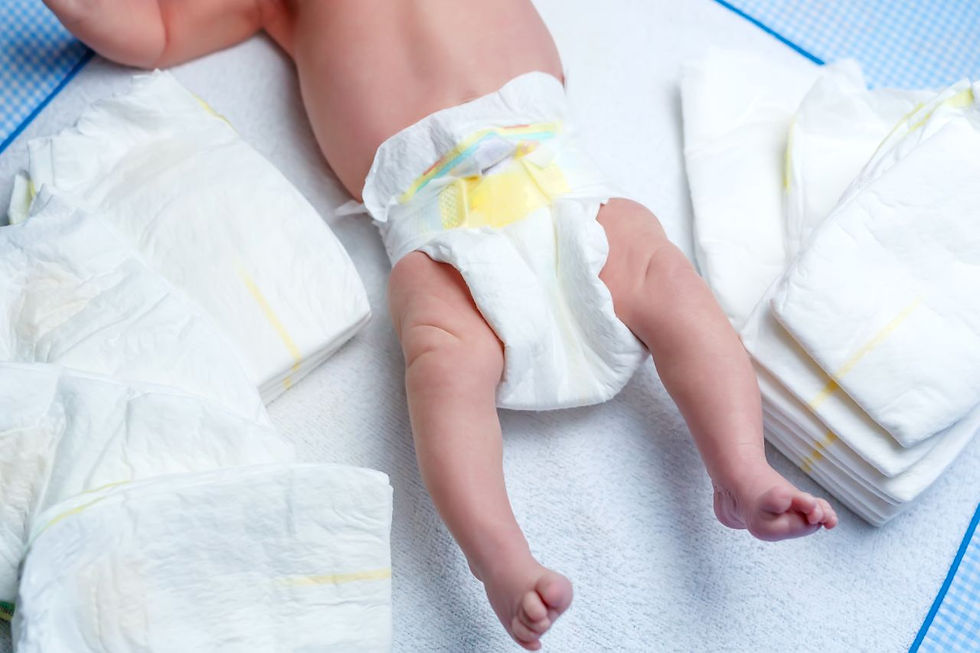
Newborn baby diapers are specially designed for babies during the early weeks after birth. They feature a smaller design that provides a secure, comfortable fit for newborns while protecting their sensitive skin.
Newborn diapers commonly include features such as:
Smaller waistband design.
Soft materials for delicate skin.
Gentle leg cuffs.
Fast-absorbing layers.
Comfortable fit around the baby’s body.
Umbilical cord cut-out in some designs.
These features help ensure that newborns remain comfortable while reducing the risk of leaks and skin irritation.
What Are Regular Baby Diapers?
Regular baby diapers are designed for babies who have grown beyond the newborn stage. As babies grow and become more active, they need diapers that offer greater flexibility, enhanced movement support, and higher absorbency to keep them comfortable and protected.
Regular diapers are available in various sizes, including:
Small.
Medium.
Large.
Extra-large.
They are designed to accommodate different growth stages and activity levels.
Compared to newborn diapers, regular diapers often provide:
Larger size options.
Increased absorbency capacity.
More flexibility for movement.
Better support for active babies.
Key Differences Between Newborn Baby Diapers and Regular Diapers
Understanding the differences between these two types of diapers can help parents make better choices.
1. Size and Fit
The most noticeable difference between newborn and regular diapers is the size.
Newborn diapers are made specifically for:
Babies with lower birth weights.
Smaller waist sizes.
Early newborn stages.
A proper fit is important because diapers that are too large may cause leakage, while diapers that are too tight may leave marks on the baby’s skin.
Regular diapers are available in larger sizes to support babies as they grow.
Parents should always check the diaper size guide based on:
Baby’s weight.
Waist measurement.
Body shape.
2. Absorbency Level
Both newborn and regular diapers provide absorbency, but their capacity may differ.
Newborn diapers are designed for:
Frequent diaper changes.
Smaller amounts of urine.
Newborn feeding patterns.
Regular diapers are usually designed for:
Longer wearing periods.
Increased urine volume.
More active babies.
Growing babies may need more absorbent diapers as their bladder capacity develops.

3. Material and Skin Protection
Newborn babies have sensitive skin that is more prone to irritation. Therefore, newborn diapers are designed with softer materials to provide gentle care for delicate baby skin.
Important features include:
Soft inner layers.
Breathable materials.
Moisture-locking technology.
Hypoallergenic properties.
Regular diapers also prioritize comfort but may place more emphasis on flexibility and durability for active babies.
4. Umbilical Cord Protection
Some newborn diapers feature an umbilical cord cut-out for added comfort and protection.
During the first weeks after birth, a baby’s umbilical stump needs time to heal. A diaper with a special cut-out design helps:
Avoid pressure on the umbilical area.
Reduce friction.
Provide better comfort.
This feature is particularly useful for newborn babies in their early days.
5. Movement and Flexibility
Newborn babies spend most of their time sleeping and lying down. As a result, newborn diapers focus on providing gentle comfort and reliable protection while babies sleep.
As babies grow older, they begin to:
Kick more actively.
Roll over.
Crawl.
Move around frequently.
Regular diapers are designed with flexible features that allow greater movement while maintaining protection.
Why Choosing the Right Diaper Size Matters
Selecting the correct diaper size is essential for keeping babies comfortable and preventing leaks.
A diaper that fits properly should:
Stay secure around the waist.
Allow comfortable leg movement.
Prevent gaps around the thighs.
Keep moisture contained.
Signs that a diaper may not be the right size include:
Frequent leaks.
Red marks on the skin.
Difficulty fastening the diaper.
Baby appearing uncomfortable.
Parents should regularly check whether their baby has outgrown the current diaper size.
How Often Should Newborn Diapers Be Changed?
Newborn babies typically require frequent diaper changes because they urinate often and have regular bowel movements.
Parents should consider changing diapers:
After bowel movements.
When the diaper becomes full.
Before bedtime.
After long periods of wear.
Regular diaper changes help:
Keep the baby’s skin dry.
Reduce the risk of diaper rash.
Improve overall comfort.
When Should Babies Move From Newborn to Regular Diapers?
The transition from newborn diapers to regular diapers depends on the baby’s growth rather than age alone.
Parents may consider switching when:
The newborn diaper becomes too tight.
Leakage happens frequently.
The baby’s weight exceeds the recommended range.
The diaper leaves marks on the skin.
Every baby grows at a different pace, so parents should focus on fit and comfort rather than following a strict timeline.
Factors to Consider When Choosing Baby Diapers
Besides choosing between newborn and regular diapers, parents should consider several important factors.
1. Absorbency Performance
A good diaper should quickly absorb moisture and help keep the baby dry.
Look for:
Fast absorption.
Leak protection.
Dry surface technology.
2. Comfort and Softness
Since babies have sensitive skin, comfort should always be a priority.
Consider diapers with:
Soft materials.
Flexible designs.
Breathable layers.
3. Baby’s Skin Sensitivity
Some babies may be more sensitive to certain materials.
Parents may prefer diapers that are:
Fragrance-free.
Gentle on skin.
Dermatologically tested.
4. Cost and Value
Babies require frequent diaper changes, making cost an important consideration.
Parents should compare:
Number of diapers per pack.
Quality.
Absorbency.
Overall value.
A higher-priced diaper may offer better comfort and leak protection.
Common Mistakes Parents Make When Choosing Diapers
New parents may make some common mistakes when selecting diapers.
Choosing Based Only on Age
Babies grow at different rates, so weight and fit are better indicators than age alone.
Buying Too Many Newborn Diapers
Some babies quickly grow out of newborn sizes. It may be better to purchase smaller quantities initially.
Ignoring Baby’s Comfort
A diaper that causes irritation or discomfort should be replaced with a more suitable option.
Choosing the Wrong Size
Incorrect sizing can lead to leaks and discomfort.
Conclusion
Understanding the differences between newborn baby diapers and regular diapers helps parents choose the right option for their baby’s needs. Newborn diapers provide a gentle fit for smaller babies, while regular diapers offer greater flexibility and absorbency for growing infants.
Parents should consider factors such as size, absorbency, material, and skin sensitivity when selecting diapers. The right choice helps keep babies comfortable, protected, and supported throughout their growth stages.


Comments